


Also available on Hudin.com to Personal & Commercial subscribers.
Don’t let anyone tell you otherwise: there’s strength in young wine.
Sure, when it comes to investing or being ‘fancy’, everyone is was more than happy shell out good money for long-aged wines such as in Bordeaux, but even when these were the cat’s loudest meow, they were always a small portion of the wine being consumed. In fact, all of these wines with five years or more of aging make up something like 1% of the total wine market, at best. The actual truth is that more than 90% of all wine produced, is consumed within a year of its production. That’s a bit mind blowing when you stop to think about it, but it also goes to show just how important young wines are to the market.
I’m a person that does indeed prefer wines with a bit more youth. The simple reason behind this is that I enjoy fruit in my wine given that grapes are a fruit and grapes make wine. It’s fine to have all those developed nutty, earthy, and other aromas from aging, but I definitely want at least some fruit in there. At the same time, I don’t want the infamous “fruit bomb”. Thus, give me fruit, but make it fresh.
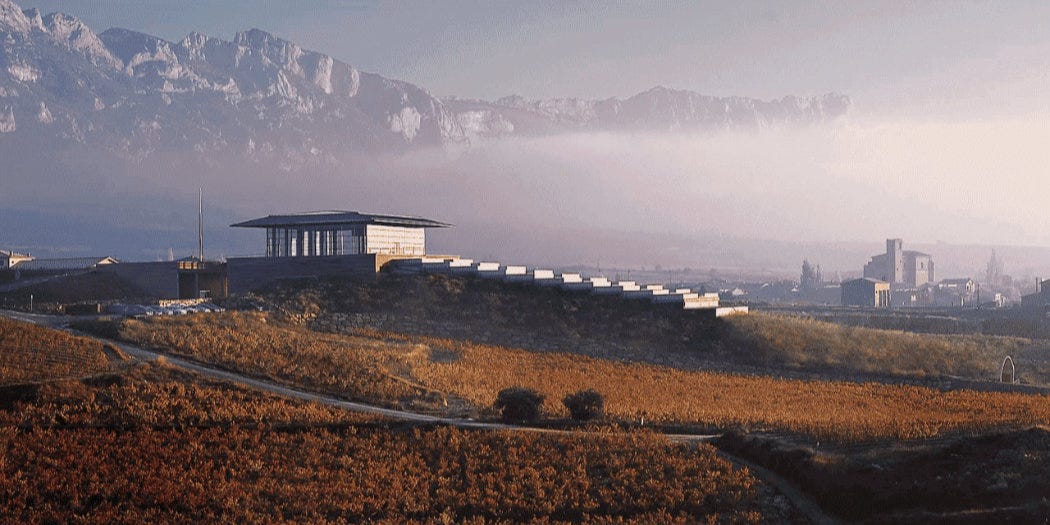
Despite my general preferences, the style of very young wines produced in Rioja, especially in the Alavesa bit of Basque Country, has never really suited my tastes. What they produce there is called, maceración carbónica and it’s a traditional method of producing wine via “intracellular fermentation” wherein you choke off all access to oxygen by sealing the grapes in a container and letting them ferment, from the inside out. Despite this seeming like a form of interrogation used by the CIA, it produces a very fruity style of wine due to everything being macerated within a blanket of CO2 and thus, no contact with oxygen.
My problem with many of the wines is that they can be exceedingly simple. This may be exactly what one wants sometimes, but more often than not, there’s also what I can only describe as something of a charcoal aroma to the wines that covers up any amount of true depth. It was always a bit off-putting and kept me from enjoying this style or really even wanting to review them given that I think the majority fly out of the warehouses to be guzzled in the tapas bars of Rioja’s very enjoyable capital city, Logroño.
But along came a wine that would make me reevaluate everything when it comes to these young, Rioja wines.